
Key Takeaways
- Frequent ant sightings, trails in several rooms, or a nest someone actually finds usually point to an active infestation rather than a one-off wandering ant
- Ants that keep coming back after sprays or store-bought bait traps often mean a larger colony, or more than one colony, is feeding the problem
- Carpenter ants deserve a prompt call to a pest professional since they tunnel into damp or damaged wood to build nests and can weaken structural wood over time
- A single, isolated ant trail may respond to careful cleaning and a well-placed bait, but knowing when that approach has run its course is the harder question
- Matching the treatment to the ant species is often the difference between a fix that lasts and one that does not
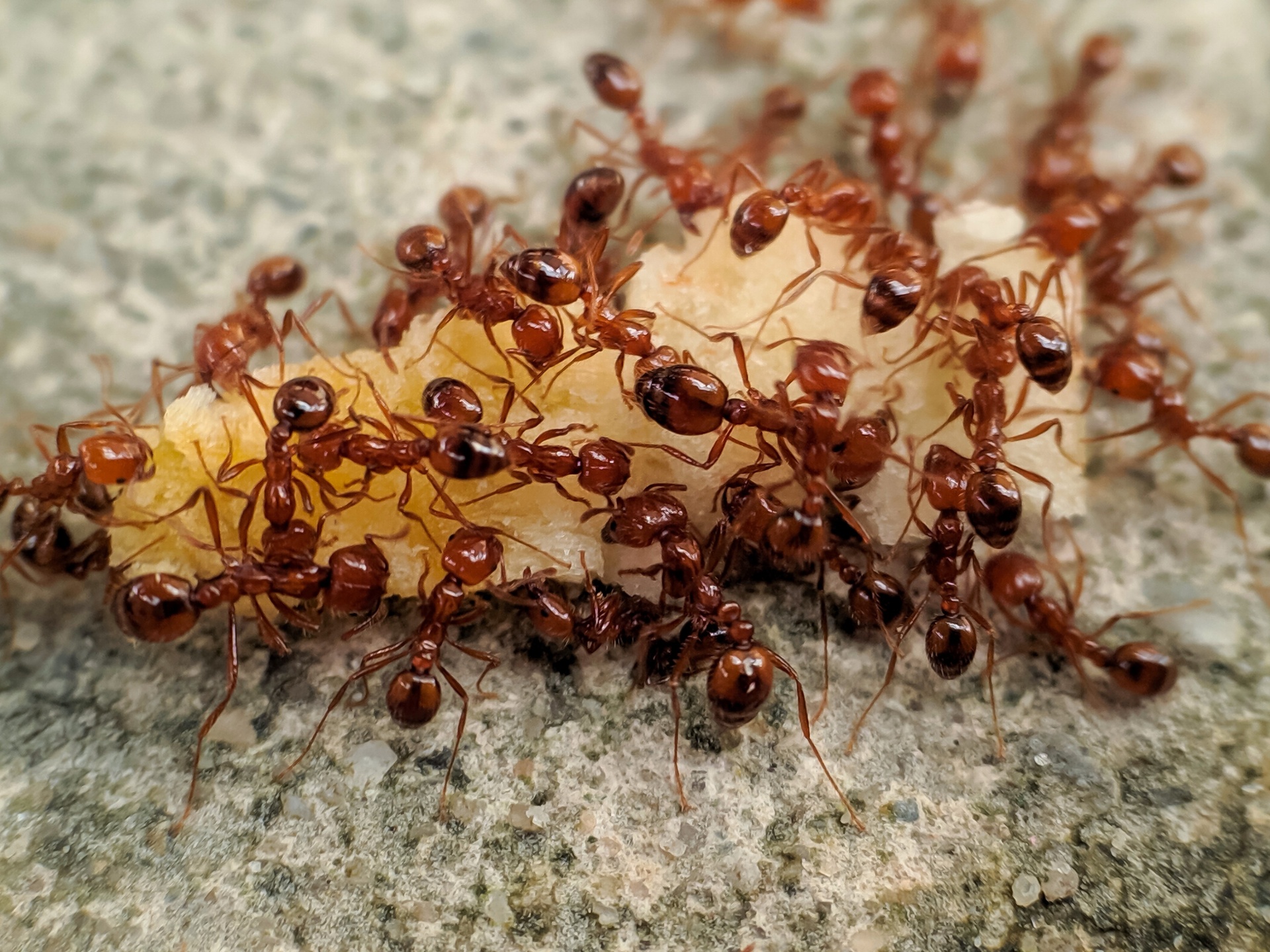
A few ants on the kitchen counter rarely feel like an emergency. A homeowner wipes them away, maybe sets out a trap from the hardware store, and moves on with the day. But when those ants show up again a week later, and then again after that, it starts to feel less like bad luck and more like a pattern worth paying attention to.
The Ants Keep Coming Back
That repeating pattern is the first real clue that something bigger is going on underneath the surface. A single ant wandering across a countertop might just be a scout looking for food, but a trail that reappears day after day, even after it gets cleaned up, usually means a colony has already found a reliable reason to stick around. For homeowners across the Piedmont Triad dealing with this exact situation, figuring out what separates a quick fix from an infestation that needs a trained eye starts with understanding ant control options available in the area.
It helps to think of ants the way a general contractor thinks of a crack in drywall. One crack might just be seasonal settling. But cracks that keep opening in the same spot usually point to a foundation issue that cosmetic patching will not solve. Ants work the same way: treating what is visible on the surface does not do much good if the colony feeding those visits is still intact somewhere out of sight.
The good news? Experts serving the Greensboro area, like Connor’s Pest Pros, say that persistent ants are not automatically a disaster. They are, however, a signal to look closer, figure out what kind of ant is involved, and decide whether a confident homeowner with sanitation habits and the right bait can handle it, or whether the situation calls for someone trained to find the nest and match the treatment to the species.
Signs Your Ant Problem Is Serious
Not every ant sighting calls for alarm, but certain patterns tend to separate a minor nuisance from a problem that is actively growing. Paying attention to where, how often, and in what form ants show up gives a homeowner a much clearer picture of what they are actually dealing with.
Frequent Sightings, Trails, and Hidden Nests
Spotting ants once in a while in the kitchen is common, especially during warmer months. Spotting them constantly, especially if they form visible trails along baseboards, countertops, or window sills, suggests a colony has already established a steady food source inside the home. Finding an actual nest, whether tucked behind a bathroom tile, inside a wall void, or under a slab of concrete, is one of the clearest signs that the issue has moved past the occasional-visitor stage.
DIY Treatments That Keep Failing
Many homeowners reach for a spray or a store-bought bait trap first, and that is often a reasonable starting point. The trouble starts when ants keep showing up even after those products get used as directed. Repeated ant trails, visible nests, wood shavings, or sightings that continue after DIY attempts are strong reasons to bring in professional treatment. A colony that shrugs off a round of over-the-counter bait is often larger, or more spread out, than it first appeared.
Carpenter Ants and Structural Risk
Carpenter ants deserve a category of their own. Unlike termites, they do not eat wood, but they do tunnel through it, usually damp or already-damaged wood, to carve out space for their nests. Carpenter ants are larger than the common odorous house ant, typically a quarter to a half inch long, and they can chew through rotten or damp wood near windows, doors, or even structural framing. Finding a pile of sawdust-like material, known as frass, near a windowsill or door frame is a strong hint that carpenter ants have already moved in and started building.
Why Ants Keep Returning
A repeat infestation is rarely about bad luck. It usually points to something on the property that keeps drawing ants back, whether that is an easy meal, a reliable water source, or an entry point that never got sealed. Unwashed dishes, crumbs on the floor, pet food left out overnight, and trash that sits too long all give scout ants a reason to bring reinforcements.
Where Ants Hide In North Carolina Homes
Knowing where ants like to settle can make the difference between catching a problem early and finding it only after it has spread. Kitchens and pantries are obvious targets thanks to food and crumbs, but ants are just as interested in bathrooms and laundry rooms, where consistent moisture around sinks, tubs, and pipes creates a welcoming environment.
Beyond those rooms, a few other spots deserve a regular check:
- Cracks in walls, flooring, or foundation, which double as entry points and potential nesting sites
- Damp or water-damaged wood near windows, door frames, decks, or anywhere moisture tends to collect
- Utility lines and electrical equipment, which can offer warmth and a protected path into the home
- Vegetation or mulch touching the exterior walls, giving outdoor colonies an easy bridge indoors
Why Ant Species Identification Matters
Not all ants want the same things, which is exactly why a single bait or spray rarely solves every ant problem. Different ant species prefer different foods: some are drawn mainly to sugars, others to proteins and fats, and some shift their preferences depending on the season. A bait loaded with sweet syrup might work wonders on one colony and get completely ignored by another.
Correctly identifying the ant also shapes where and how treatment gets applied. Carpenter ants nest in damp or decaying wood and need an approach that addresses that wood directly, while other species may nest entirely outdoors and simply forage inside.
What To Expect From A Professional Visit
A professional ant treatment typically starts with an inspection to pin down the species involved and trace activity back toward its source, followed by targeted treatment and some form of follow-up to confirm the colony has actually been dealt with. Knowing what that process looks like, and how to prepare for it, helps the visit go smoothly.
Preparing Your Home Before Treatment
A little preparation goes a long way toward making a treatment visit effective. Clearing clutter in areas where ants have been spotted gives a technician clear access to cracks, baseboards, and other likely nesting spots. Cleaning food prep areas and storing food securely removes temptation for any ants still active during the visit, and repairing leaks ahead of time addresses one of the main conditions that draws ants indoors in the first place. It also helps to point out exactly where ants or nests have been noticed, since that firsthand knowledge often guides where treatment gets focused first.
Baits vs. Sprays for Colony Control
The method matters as much as the timing. Ant baits tend to outperform sprays for colony control, since sprays tend to kill only the visible worker ants without reaching the queen or the rest of the colony hidden away. Worse, some repellent insecticides can actually cause certain ant species to scatter and split into multiple smaller colonies, a process called budding, which can leave a homeowner with more points of infestation than before treatment started. Baits work differently: worker ants carry the bait back to the nest, where it can also affect larvae, gradually reducing the colony from the inside rather than just knocking down what is visible on the surface.
When A Small Trail Is Manageable Alone
Not every ant sighting needs a phone call. A single, isolated trail, especially one that appears briefly and responds quickly to cleanup and a well-placed bait, often falls within the range of what a careful homeowner can manage. The basic combination still applies: keep counters and floors free of crumbs and spills, store food in sealed containers, fix any small leaks, and set out a bait matched to what the ants seem to be after.
The key is watching how the situation responds over the following week or two. If the trail dries up and does not return, the problem was likely a small, contained one. If ants keep showing up in the same spot, or start appearing somewhere new, that is the signal the situation has outgrown a DIY approach.
Know When Expert Help Is Worth It
Deciding between continued DIY effort and calling in help often comes down to a few straightforward questions. Ants returning after real effort with bait and sanitation, trails appearing in multiple rooms, or any suspicion of carpenter ants are all strong reasons to bring in someone trained to identify the species and treat the colony directly rather than just the ants that happen to be visible.
A professional visit typically combines inspection, species identification, targeted bait placement, and attention to the cracks or gaps ants are using to get inside, with follow-up monitoring to confirm the trails have actually stopped rather than just gone quiet for a few days. For homeowners who have already tried the basics and keep seeing ants anyway, or who suspect carpenter ants are chewing into wood somewhere in the house, that kind of targeted approach tends to resolve the problem faster than another round of store-bought spray. Anyone weighing that decision right now can get a closer look at treatment options from an exterminator like Connor’s Pest Pros before the colony gets any bigger.
Connor’s Pest Pros
5410 Port Royal Rd
Springfield
VA
22151
United States


