
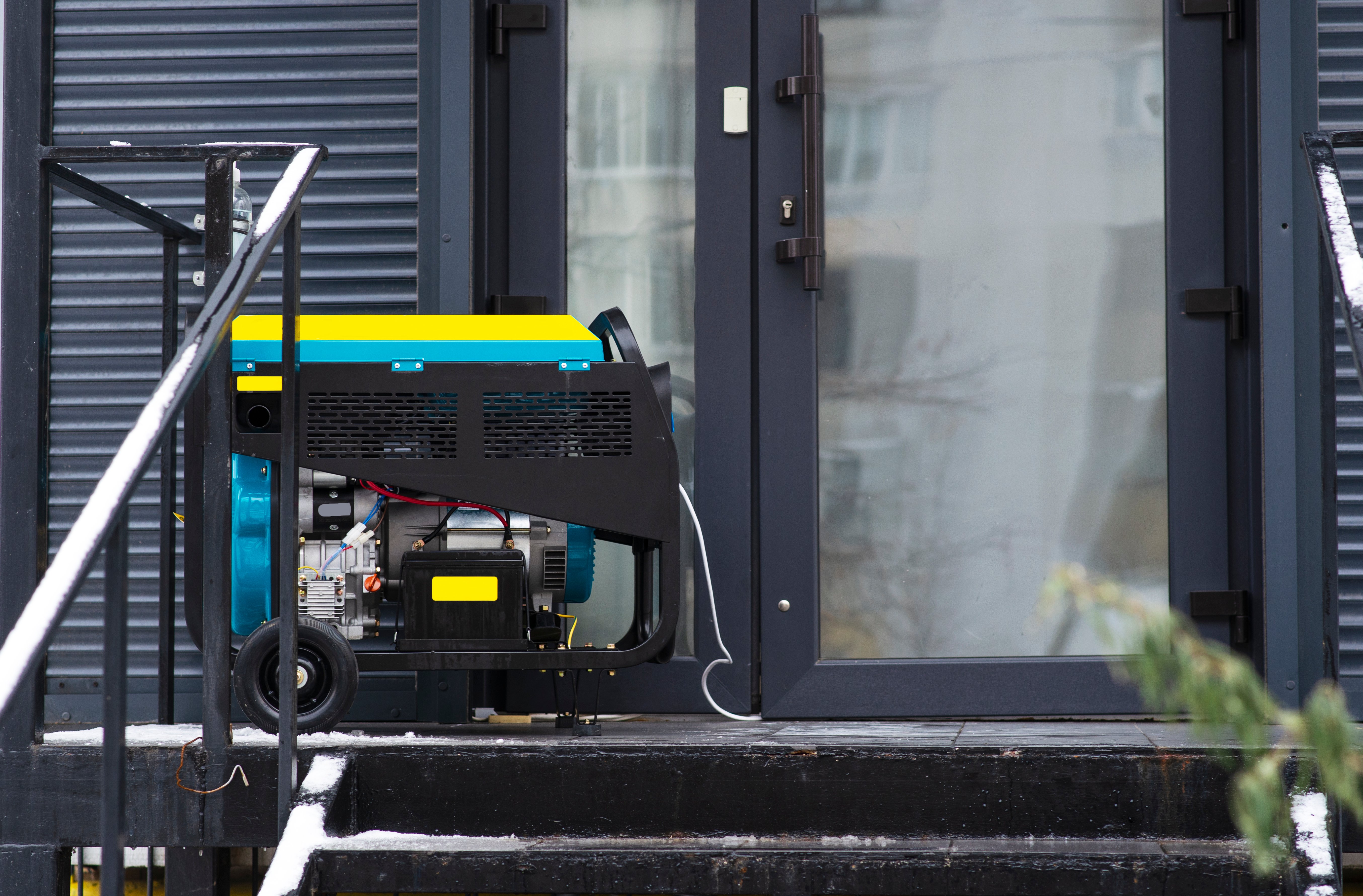
Why Generator Size Actually Matters
A power outage can turn from a minor inconvenience into a real problem within a few hours — something Plymouth, MA homeowners know well, especially once the refrigerator warms up or the sump pump stops running. Many people buy a generator based on price or whatever size is available, rather than what their household actually needs, which often leads to disappointment the first time it’s put to real use.
How Sizing Works
Generator sizing starts with adding up the wattage of everything you want to keep running, then accounting for the extra power that motors briefly draw when they start. According to the Plymouth specialists at Poissant Electrical Corporation, a proper generator sizing consultation looks at your total household load rather than guessing, which helps you avoid paying for capacity you will never actually use.
What The Numbers Show
Interest in home backup power has grown alongside a rise in weather-related outages nationwide, and it is easy to see why once you look at the numbers. According to federal energy data, U.S. electricity customers experienced an average of eleven hours without power in 2024, nearly double the yearly average recorded over the previous decade, with hurricanes and severe storms responsible for most of that increase.
Deciding What To Power
The first practical step is deciding which circuits matter most to you. Refrigerators, sump pumps, well pumps, and a furnace or boiler’s blower motor are common priorities, since losing any of them can cause damage or discomfort fairly quickly. Medical equipment and a home office are worth adding to your list if your household depends on them daily.
Running Watts Vs Starting Watts
Every appliance has two wattage numbers worth knowing: running watts, used once it is operating, and starting watts, the brief surge needed to get a motor moving. Your refrigerator might run on around 700 watts but momentarily draw two or three times that when the compressor kicks on, so your generator needs enough headroom to handle several of these surges at once.
Matching Generator Type To Size
Portable and inverter generators typically range from around 2,000 to 8,500 watts and can cover a handful of essential circuits during a short outage. Whole-home standby units usually start around 10,000 watts and can reach 20,000 watts or more, enough to run your entire house, including central air conditioning and an electric range, without cycling circuits on and off.
Why A Load Calculation Helps
Guessing at generator size tends to go wrong in one of two ways. Choose too small, and the unit trips or shuts down under load; choose too large, and you pay more upfront along with higher fuel use over its lifetime. A written load calculation, adding up watts for every circuit you want to protect, removes most of that guesswork.
Fuel, Placement And Permits
Fuel type is another factor, since standby generators typically run on natural gas or propane, while portable models usually use gasoline and need manual refueling during longer outages. Placement matters too, since your unit needs adequate clearance from windows, doors, and property lines. Most municipalities require a permit and inspection before a standby generator can be connected to your home’s electrical system.
Bringing It All Together
Choosing the right generator ultimately means matching your household’s real needs with equipment that can handle them, day to day and during the occasional surge. If you are in the process of comparing options for a home generator installation, asking for a written load calculation rather than a rough size estimate tends to be the single step that prevents the most regret — whether the unit ends up too small to handle the load or too large to justify the cost.
Poissant Electrical Corporation
PoissantElectricalCorp@Outlook.com
+1 774 268 8306
110 State Rd
Bourne
Massachusetts
02562
United States


