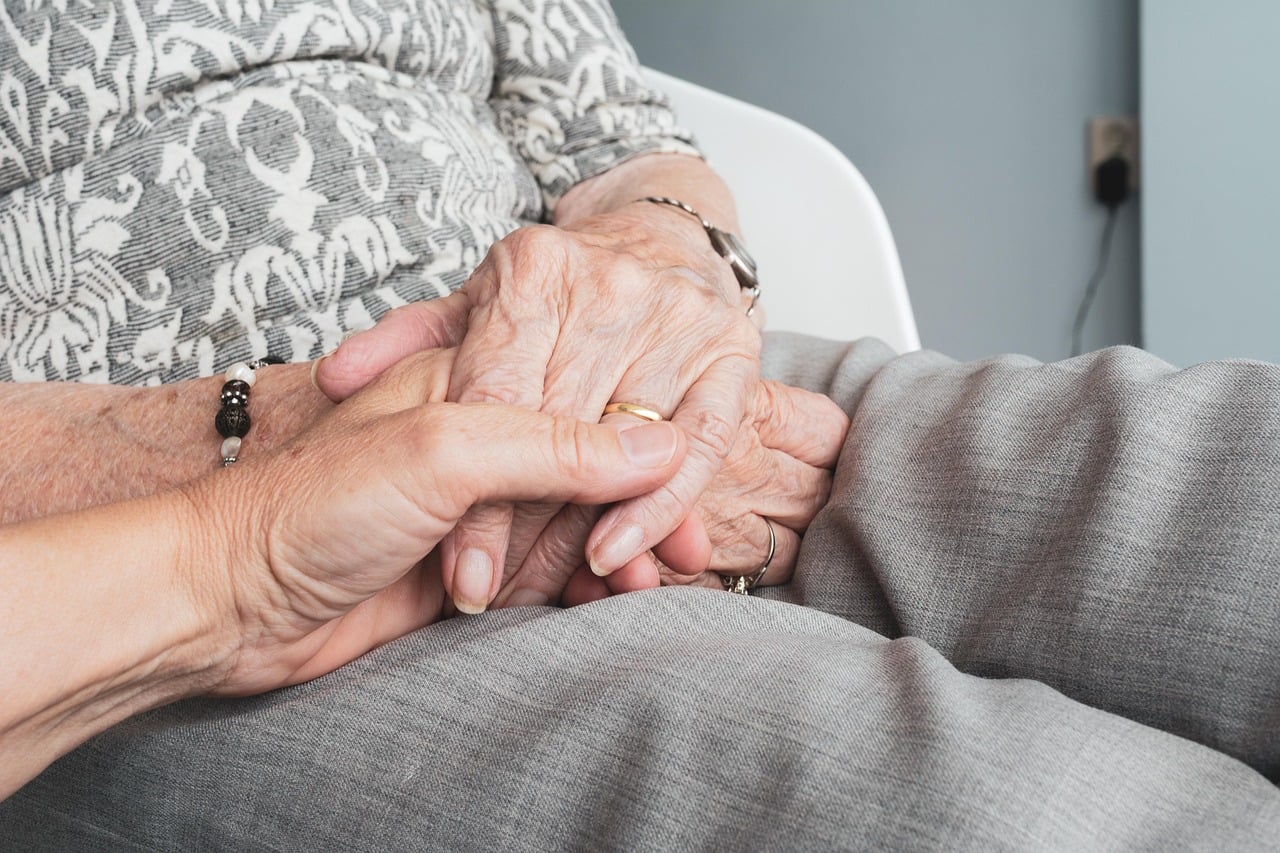
Most older adults want to stay in their own homes as they age. Surveys consistently show that around 90 percent of adults over 50 prefer it. For many, it offers comfort, familiarity, and a sense of independence that assisted living environments can’t always provide.
But wanting to stay home and being prepared to do it safely are two different things, as research shows that about 85 percent of those planning to age in place haven’t fully prepared their homes. And only a small share of homes are actually set up for the realities of aging. That gap is where problems start to show up. Not the obvious ones people plan for, but the small, everyday issues that build up quietly. A loose rug. A missed medication. A smoke alarm that hasn’t been checked in months.
For seniors living alone, those problems don’t always get caught early.
Common Hidden Risks Inside The Home
Most homes aren’t designed with aging in mind. Over time, everyday features can become hazards.
The Fall Risk Most People Miss
Roughly one in three seniors falls each year. Most of those incidents happen at home.
The causes are usually small things. Loose rugs, cluttered walkways, poor lighting, and uneven flooring all increase risk. Bathrooms are especially problematic, where slippery surfaces and limited support can lead to injury.
The impact goes beyond the injury itself. A serious fall can change how someone moves, how confident they feel, and whether they can continue living independently at all.
Regular home checks can reduce this risk significantly. The problem is, most people don’t think to do them until after something happens.
Fire Safety Isn’t “Set And Forget”
Most homes have smoke detectors. That doesn’t mean they’re working.
Dead batteries are one of the most common issues. Outdated units are another. Many people don’t realize smoke alarms need to be replaced every 10 years.
Risk also increases with age as reaction time slows and mobility changes. Even short distractions, like stepping away from a stove, can lead to dangerous situations.
Cooking and heating equipment are the main causes of home fires. And both are part of daily life.
Basic checks go a long way. Testing alarms. Replacing batteries. Making sure heaters aren’t too close to furniture or fabric. These are simple steps, but they’re often overlooked.
The Air Inside The Home Matters More Than You Think
Most people don’t think about air quality unless something smells off. But indoor air can be more polluted than outdoor air. For seniors who spend most of their time inside, that matters.
Dust, mold, pet dander, and chemical residues build up over time. HVAC systems can make this worse if filters aren’t changed regularly. Instead of cleaning the air, they start circulating contaminants.
Simple maintenance helps, like cleaning filters, ensuring good airflow, and occasional system checks – these are small tasks that can significantly improve daily living conditions.
Health And Routine Risks That Go Unnoticed
Not all risks are physical hazards. Daily routines can quietly break down.
Medication schedules may become inconsistent. Meals might be skipped or simplified. Hydration can be overlooked.
These changes don’t always stand out right away. But over time, they affect energy levels, cognitive clarity, and overall well-being.
Isolation also plays a role.
Without regular interaction, subtle changes in behavior or health may go unnoticed. What might be obvious to a family member or caregiver can easily slip by when someone is alone most of the day.
Why These Risks Are Often Missed
The challenge is not awareness but often visibility. Many seniors value their independence and may not mention small issues. Family members, even when involved, don’t always see the full picture during occasional visits.
And some risks don’t look serious on the surface. A slightly dim hallway. A filter that hasn’t been changed. A minor trip hazard. Each one seems small in isolation. But together, they create a pattern.
Practical Ways To Reduce Risk At Home
Reducing these risks doesn’t require major changes. It starts with consistency.
Regular home checks make a big difference. Walking through the home with a fresh perspective can reveal hazards that are easy to overlook day to day.
Improving lighting, securing rugs, and clearing pathways are simple steps that lower fall risk immediately.
Air quality can be improved with routine maintenance. Changing filters, cleaning vents, and ensuring proper ventilation help maintain a healthier environment.
Safety devices should be checked regularly. Smoke detectors, carbon monoxide alarms, and basic emergency systems need to be functional at all times.
Supporting Daily Routines
Structure helps maintain independence. Simple systems for medication, meals, and hydration can prevent small gaps from turning into larger issues. This might include reminders, checklists, or scheduled routines that create consistency.
Technology can also help. Automated reminders, monitoring tools, and communication devices make it easier to stay on track without constant supervision.
The Role Of Regular Oversight
One of the most effective ways to reduce hidden risks is regular oversight. That doesn’t always mean full-time care. Even periodic check-ins can make a difference.
A second set of eyes helps catch what might otherwise go unnoticed. It also provides reassurance that everything is functioning as it should. Over time, this creates a safer environment without removing independence.
In conclusion, aging in place can work well, but it works best when the environment supports it. The biggest risks are rarely dramatic. They’re quiet, gradual, and easy to miss. Addressing them comes down to awareness, routine, and small adjustments that add up over time.
Glorient Home Care
44679 Endicott Drive
Suite 300 – 552
Ashburn
Virginia
20147
United States