Key Takeaways
- Cold weather can reduce Milwaukee battery runtime by up to 50%, with chemical reactions slowing significantly in freezing temperatures
- Optimal storage temperature for Milwaukee batteries is 60°F-75°F, while storage below 32°F can cause permanent lithium plating damage
- Insulated battery bags, indoor overnight storage, and 40-60% charge levels help protect batteries during winter months
- Milwaukee’s FORGE technology handles extreme cold below 0°F, while HIGH OUTPUT batteries deliver 50% more power in challenging conditions
Cold Weather Cuts Battery Runtime by 50%
Winter jobsites present a harsh reality for contractors relying on cordless power tools. When temperatures drop below freezing, Milwaukee battery performance plummets dramatically. Field tests consistently show runtime reductions of 30-50% in sub-zero conditions, turning full-day battery packs into half-shift disappointments. The impact extends beyond reduced runtime—cold batteries deliver less torque, slower motor speeds, and unpredictable power delivery that can compromise work quality and safety.
This performance drop isn’t gradual. Batteries that performed flawlessly at 70°F can struggle to start high-demand tools like circular saws or grinders when temperatures hit 20°F. Understanding why this happens and implementing proven cold-weather strategies separates prepared contractors from those constantly battling dead batteries and project delays.
Why Freezing Temperatures Devastate Power Tool Performance
The science behind battery failure in cold weather reveals three critical mechanisms that contractors must understand to protect their investment and maintain productivity.
Chemical Reactions Slow at Cellular Level
Lithium-ion batteries depend on electrochemical reactions between lithium ions and electrode materials. Cold temperatures dramatically slow these reactions, reducing the speed at which ions can move between the battery’s positive and negative terminals. At 32°F, battery capacity decreases by approximately 2-5% compared to room temperature performance. When temperatures reach Milwaukee’s minimum operating threshold of -4°F, these reactions slow significantly, explaining why tools feel sluggish or fail to start entirely.
Internal Resistance Spikes in Sub-Zero Conditions
Cold weather increases internal resistance within battery cells, creating a bottleneck that limits power delivery. This resistance forces the battery to work harder to provide the same voltage output, generating heat that wastes stored energy. High-drain tools like angle grinders amplify this effect, as their sudden power demands overwhelm cold batteries’ reduced capacity to deliver sustained current. The result is voltage sag that triggers tool protection circuits, shutting down equipment mid-task.
Charging Below 32°F Causes Permanent Lithium Plating
Attempting to charge lithium-ion batteries in freezing temperatures creates a destructive process called lithium plating. Instead of lithium ions properly intercalating into the electrode structure, they form metallic deposits on the anode surface. This plating permanently reduces battery capacity and creates internal short circuits that can lead to thermal runaway. Once lithium plating occurs, the damage cannot be reversed, making temperature-aware charging protocols essential for battery longevity.
Optimal Storage Temperature Ranges
Milwaukee batteries achieve maximum performance and longevity when stored within specific temperature ranges that protect cellular chemistry while preventing moisture-related damage.
Sweet Spot: 60°F-75°F for Maximum Longevity
The ideal storage temperature for Milwaukee REDLITHIUM batteries falls between 60°F and 75°F, with humidity levels below 60%. This range optimizes chemical stability while preventing condensation that can corrode internal components. Proper storage within this range can extend battery lifespan by 30-50% compared to batteries regularly exposed to temperature extremes. Professional contractors who prioritize controlled storage often see their battery investments last significantly longer than those stored in unheated spaces.
Why Garage Storage Fails in Winter
Unheated garages present multiple threats to battery health during winter months. Temperature swings from 10°F overnight to 40°F during sunny afternoons create thermal stress that degrades internal seals and electronic components. Concrete floors act as thermal conductors, drawing heat away from batteries and creating cold spots that persist even when ambient temperatures rise. Additionally, garages often lack humidity control, leading to condensation cycles that accelerate corrosion of terminals and internal circuitry.
7 Contractor-Proven Cold Weather Solutions
Experienced contractors have developed practical strategies that maintain battery performance and extend service life through harsh winter conditions. These field-tested techniques deliver measurable improvements in runtime and reliability when properly implemented.
1. Insulated Battery Bags Create Thermal Buffer
Insulated battery cases provide thermal protection, maintaining internal temperatures warmer than ambient conditions. The most effective designs feature closed-cell foam insulation and moisture barriers that prevent condensation buildup. Contractors working extended shifts often store multiple batteries together in larger insulated containers, using thermal mass to stabilize temperatures. This approach works particularly well for rotating battery systems where warm batteries replace cold ones throughout the day.
2. Indoor Storage During Overnight Hours
Moving batteries indoors each evening prevents exposure to the coldest overnight temperatures and eliminates freeze-thaw cycles that stress internal components. Contractors who implement this practice report improved morning performance compared to batteries left in vehicles or job trailers. The key is establishing a dedicated storage location near entry points to make the routine automatic. Even unheated basements or utility rooms typically maintain temperatures 10-15°F warmer than outdoor conditions.
3. 40-60% Charge Level for Winter Storage
Storing batteries at partial charge reduces internal stress and slows self-discharge rates during extended cold periods. Fully charged batteries experience higher internal pressure that can damage seals when combined with thermal expansion and contraction. Conversely, deeply discharged batteries risk falling below minimum voltage thresholds that trigger protection circuits. The 40-60% range provides optimal balance, with most Milwaukee batteries showing 1-2 indicator lights when properly stored.
4. Avoid Vehicle Storage in Freezing Conditions
Work trucks and trailers amplify cold exposure through metal construction that conducts heat away from stored equipment. Batteries stored against exterior walls or floor panels experience the most severe temperature drops, often matching outdoor ambient conditions within 2-3 hours. When vehicle storage is unavoidable, position batteries in central locations away from exterior surfaces and consider adding insulating materials around storage compartments.
5. Warm Batteries Before Use (Body Heat or Light Tool Use)
Gradual warming restores battery performance without risking thermal shock damage. Body heat provides safe, even warming—tucking M12 batteries inside jacket pockets for 30-45 minutes can safely raise internal temperatures. For larger M18 batteries, light tool operation generates controlled internal heat that gradually brings cells to optimal operating temperature. Start with low-demand applications like LED lights or small drill operations before transitioning to high-draw tools.
6. Moisture Protection Systems
Silica gel packets and vapor barriers prevent humidity damage during temperature transitions. Place 2-3 desiccant packs in storage containers to absorb moisture from daily temperature cycling. Vacuum-sealed bags provide ultimate protection for long-term storage, eliminating both moisture and temperature fluctuations. Check and replace desiccants monthly during active winter storage periods, as saturated packets lose effectiveness and can actually contribute to humidity problems.
7. Gradual Warming Before Heavy Use
Allow cold batteries to reach room temperature naturally before demanding full performance. Rapid heating from external sources creates dangerous temperature differentials that can crack internal components or trigger thermal protection circuits. Professional contractors typically bring batteries inside 1-2 hours before starting heavy-duty applications, ensuring optimal performance from the first cut or drive.
HIGH OUTPUT vs FORGE: Cold Weather Champions
Milwaukee’s advanced battery technologies offer superior cold-weather performance through enhanced cell design and thermal management systems that maintain power delivery in extreme conditions.
FORGE Technology Handles Extreme Cold Below 0°F
The REDLITHIUM FORGE battery line utilizes tabless cylindrical cells and advanced pouch cell technology to operate reliably in temperatures below 0°F. These batteries feature charging systems that adjust current delivery based on cell temperature, preventing lithium plating while maximizing safe charging speeds. FORGE batteries demonstrate superior cold weather performance compared to standard REDLITHIUM packs. The XC8.0 and HD12.0 FORGE batteries also incorporate COOL-CYCLE technology that manages heat generation during both discharge and charging cycles.
HIGH OUTPUT Delivers 50% More Power
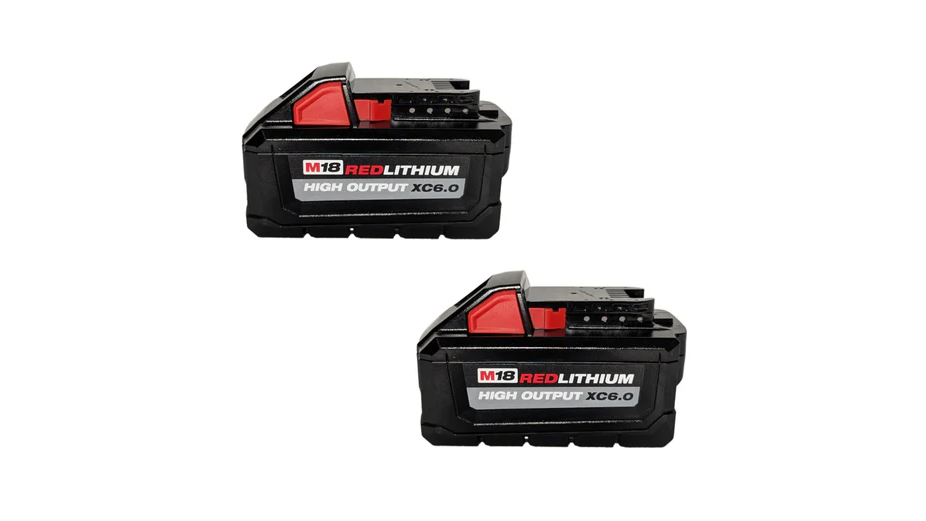
HIGH OUTPUT batteries provide 50% more power delivery and run 50% cooler than standard Milwaukee batteries, making them particularly effective in cold conditions where power demands increase due to higher internal resistance. These batteries utilize advanced cell chemistry and enhanced thermal management to maintain consistent voltage output even when internal resistance spikes due to cold temperatures. The cooler operation extends battery life by reducing thermal stress during high-demand applications common in cold-weather construction work.
Genuine Tools
1500 NW Bethany Blvd.
STE 200
Beaverton
Oregon
97006
United States